Many homeowners in The Buckeye State suspect that they need a new roof, but they don’t take action for one simple reason: They don’t have any idea how much a new roof will cost in Ohio.
Instead of getting the roofing services they require, they just accept the reduced performance aging roofs provide. Even worse, by not addressing the situation promptly, they risk expensive repairs down the road. But we’ll try to help give you the confidence to put your new roofing plan in motion by explaining how much new roofs in Ohio generally cost.
A number of different things will influence the cost of a new roof in Ohio, with your choice of roofing materials representing one of the most influential variables. We’ll discuss how your material choice will influence the price a little later, but because most Ohio homes have asphalt shingle roofs, we’ll begin there.
According to independent roof consultant Jack Gray, basic shingle roofs cost about $6.00 per square foot in Ohio. Assuming an average home size of about 1,700 square feet, this means that most residents will pay about $10,200 for a shingle roof replacement.
Of course, not all homeowners opt for shingles, and houses vary wildly in terms of size, layout, and roof pitch, which also influence the costs of a reroofing project in Ohio. To help you better understand the prices you’ll likely face, we’ll discuss some of the most important factors below.
Your home’s size will certainly influence the cost of your reroofing project, as it affects not only the amount of materials that are necessary but also the amount of labor required.
Here are some of the average roof replacement costs for homes of different sizes, according to Fixr. Just note that these averages encompass a range of material choices, as well as other individual project details.
$3,500 to $25,000
$3,500 to $25,000
$7,000 to $50,000
$10,500 to $75,000
$15,750 to $112,500
It’s important to understand that while larger homes generally have larger roofs, roof size doesn’t always scale directly with square footage.
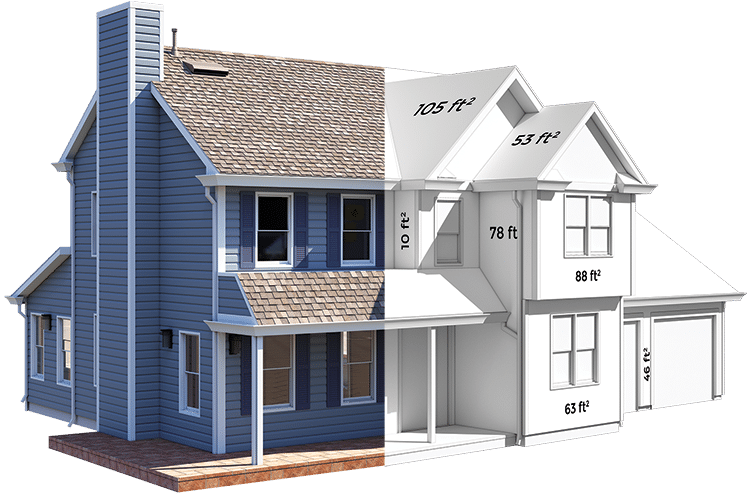
For example, you have to consider the number of floors in the home. A one-story, 3,000-square-foot ranch home will typically have a much larger roof than a two-story home with the same square footage. The pitch of your roof will also factor into its total size, as steeper roofs create more surface area than low-slope roofs do.
Roofs with a lot of corners, edges, or other intricacies often require more labor (and sometimes additional materials) than simpler, more uniform roofs. Additionally, the number of penetrations created by vents, pipes, and other features will influence the costs, as these areas all require additional attention.
Roof material selection plays a huge role in the total costs of a roof replacement. Asphalt shingles are generally the most affordable option, while slate tends to be the priciest, with wood, metal, and clay falling somewhere in the middle.
This Old House reports the following per-square-foot averages for different roofing materials (we’ve calculated the total project costs for a 1,700-square-foot home and included it in parentheses):
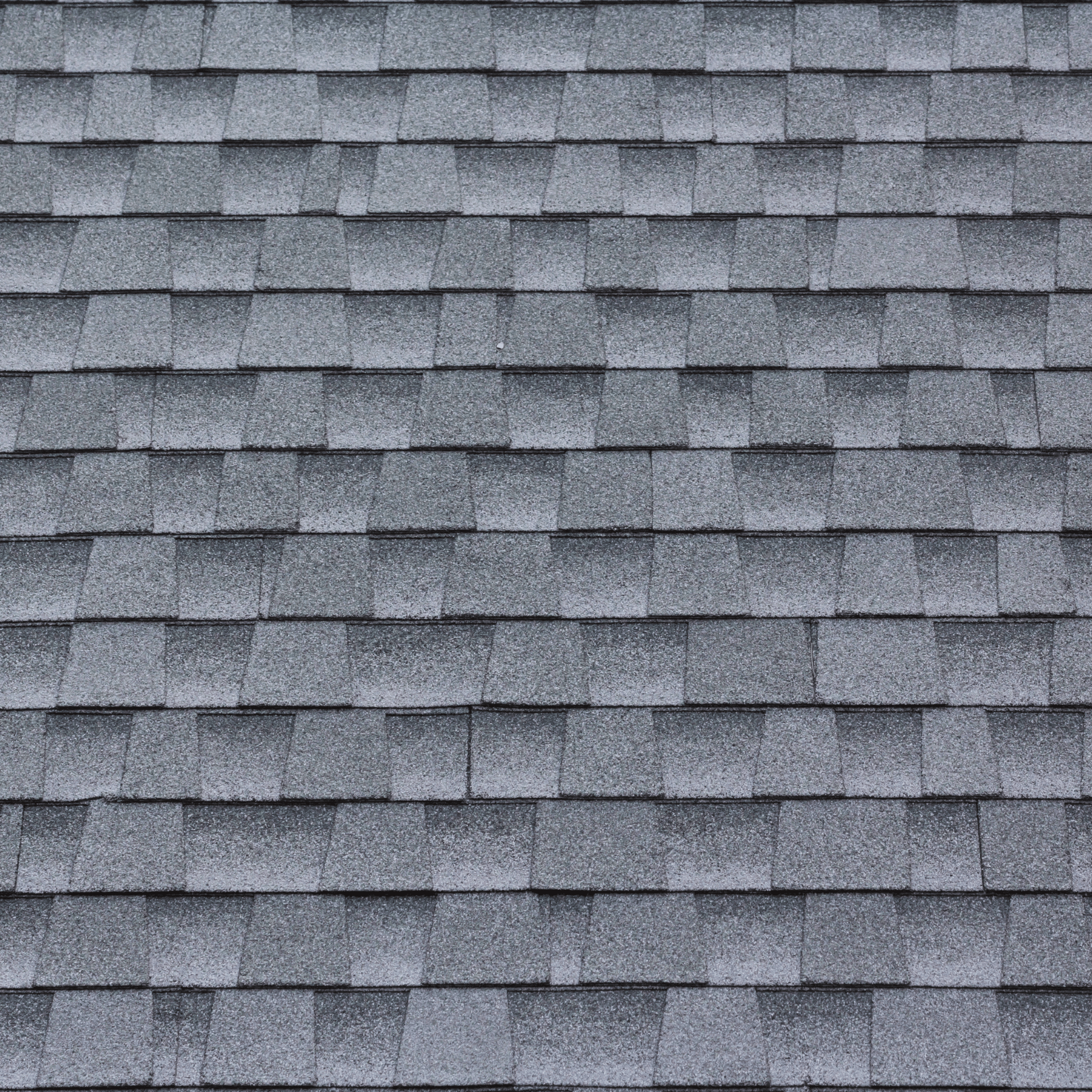
$4.56 ($7,752)

$9.21 ($15,657)
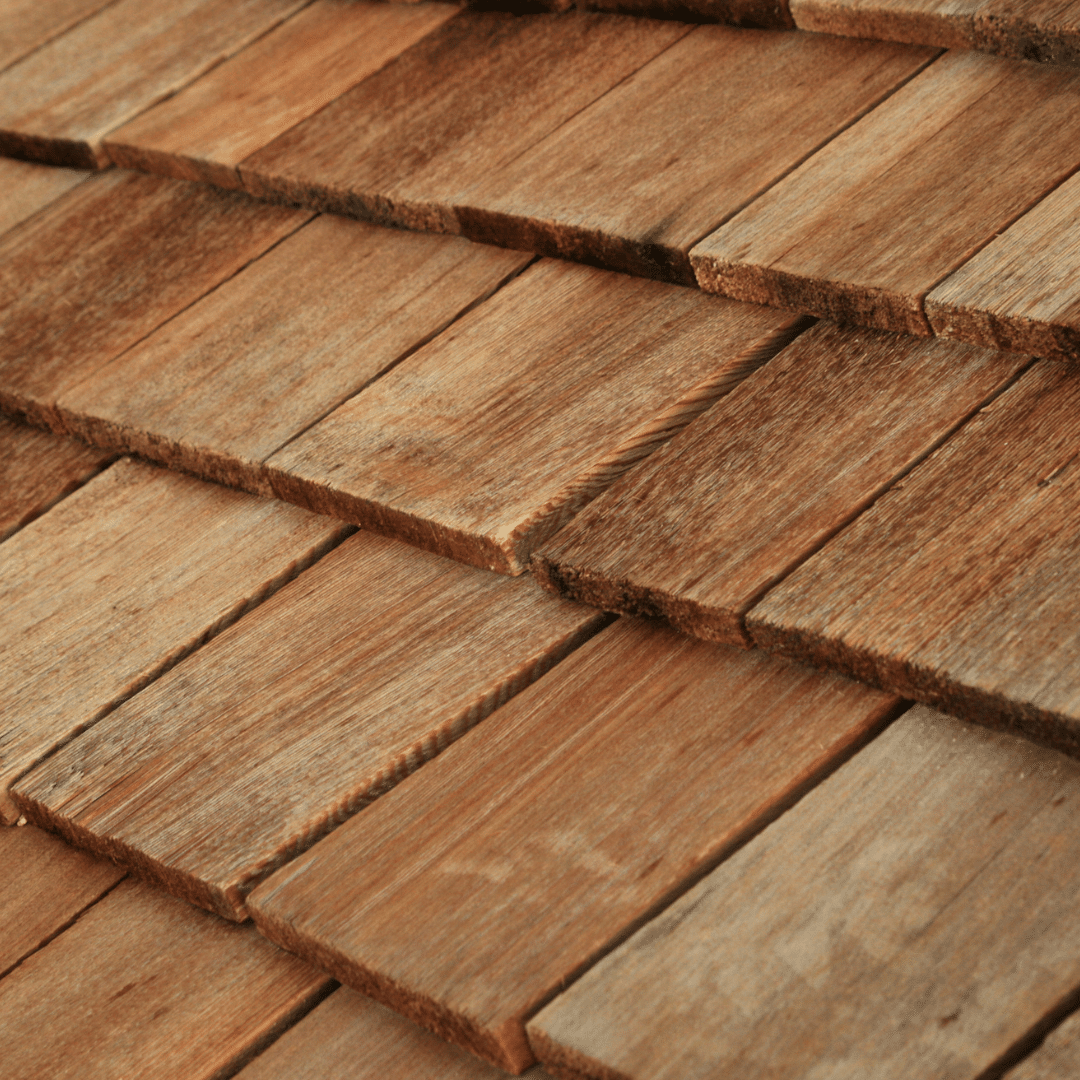
$11.06 ($18,802)
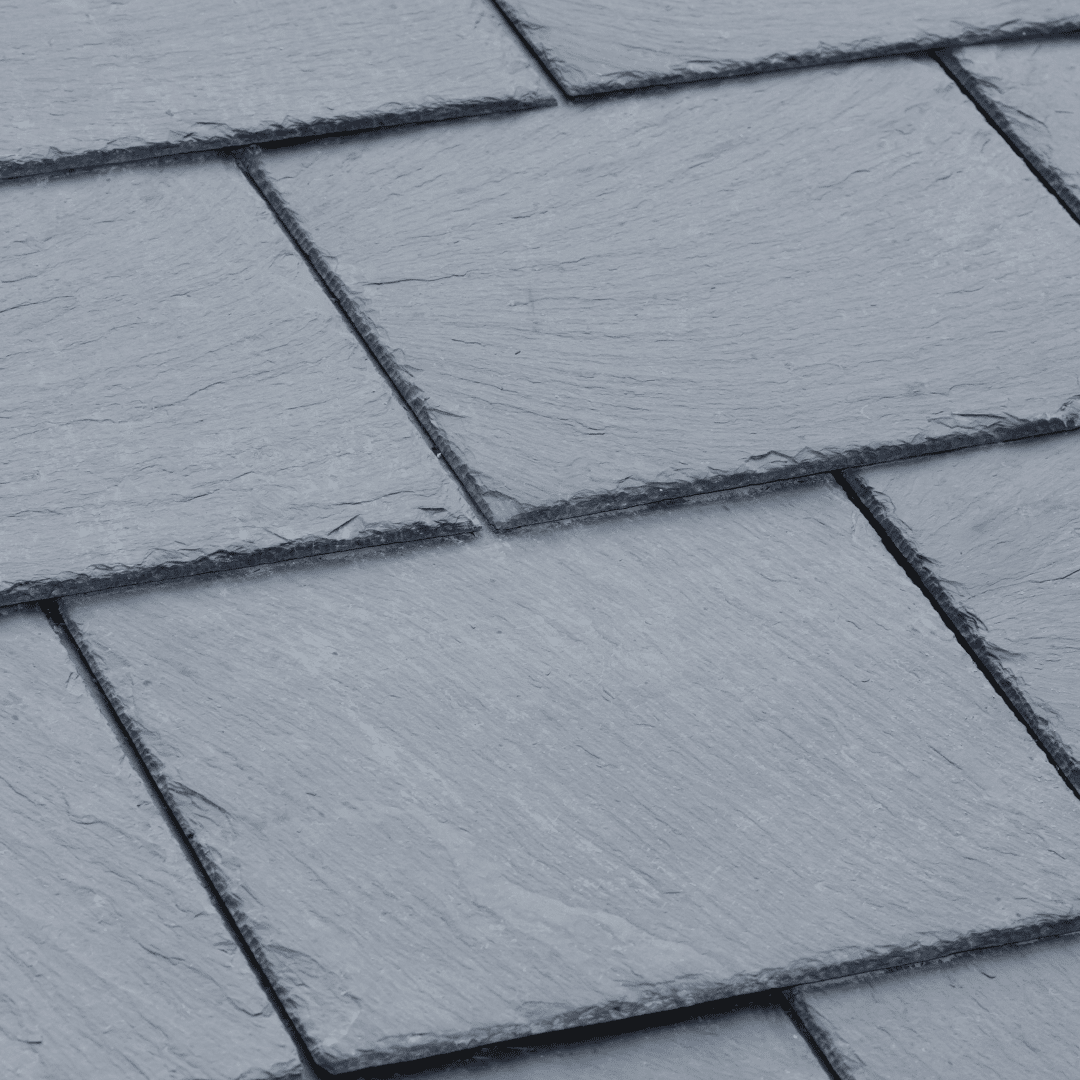
$15.31 ($26,027)
Do understand that there’s considerable variation within each of these material types. For example, budget-friendly, 3-tab asphalt shingles cost a lot less than premium architectural shingles in custom colors. There are also differences in labor rates, material grades, and other factors, which explain the difference in price ranges cited by different sources.
Ideally, you’ll have your existing shingles removed completely during your roof replacement project. However, there are cases in which it is possible to simply attach new shingles on top of the ones already there. This can result in significant cost savings, as it will eliminate the labor involved in the tear-off, as well as the disposal costs for the old materials.
This approach (called a roof-over replacement) is only possible when local building codes allow for it, and your roof has the structural integrity needed to support two layers of shingles. It’s also a one-time opportunity; once you’ve had a roof-over replacement performed, you’ll have to opt for a tear-off replacement the next time.
Different contractors have different pricing schedules. Some may be able to source materials for lower prices, allowing them to pass on the savings to you, while others may be new to the industry or area and be willing to charge less for their labor than more established companies with an existing market presence.
Additionally, some roofers position themselves as premium options, which usually entails higher prices for their services.
Permitting requirements vary a bit from one municipality to the next, which may affect the prices you’ll encounter during your reroofing project. This doesn’t usually lead to drastic differences in project costs, but it is important to consider.
Similarly, the building codes enforced in some areas may necessitate more labor or materials, which will also be reflected in the total price you’ll pay.
While most roofing product manufacturers and roofing contractors offer some form of warranty coverage, many offer additional, optional coverage packages to provide longer or more thorough protection in the event of a future problem.
These types of enhanced or extended warranties are often a wise investment for homeowners, but they will be associated with additional fees, which will raise the overall cost of your project.
In some cases, your roofing contractor may discover hidden damage during the reroofing project. For example, he or she may only discover that your roof decking is rotted after removing the shingles.
Professional roofers always try to avoid these kinds of unanticipated charges, but they are always a possibility. The best way to sidestep these issues is by having regular roof inspections conducted and promptly addressing any problems that are found.
Often, homeowners take the opportunity to repair, replace, or upgrade their flashing, ventilation system, or insulation when having a new roof installed. This makes great sense, as you’ll generally pay less for these services than if you scheduled them as stand-alone projects.
However, they will entail additional costs to cover the labor and materials, which will be reflected in the total cost you pay for the new roof.
Roof replacement can certainly entail significant costs, and every homeowner has budgetary constraints to consider. Fortunately, there are a few things you can do to reduce the costs of having a new roof installed in Ohio.
Because roofing companies are often less busy in the winter, contractors are often willing to offer discounts during this period to keep their crews busy. However, snow, ice, and low temperatures can cause delays, so you may need to be flexible regarding scheduling.
This won’t reduce your overall costs, but it may bring the price of individual services down, ultimately saving you money. So, if your contractor also offers siding or window services, consider asking for an estimate that includes this kind of work too.
Though it is not always possible (such as in cases where you’ve already had a roof-over installation performed in the past), this approach can save you a considerable amount of money, thanks to the reduced labor and material disposal costs.
This approach may actually increase the upfront costs of your new roof, but it will typically help you enjoy significant long-term savings, as your heating and cooling bills will fall. Discuss this approach with your roofing professional to decide if it will be in your best interest.
If your roof has suffered damage from severe weather or some other covered scenario, your homeowners’ insurance policy may pay for some or all of the costs of your roof replacement. Most high-quality roofers will be happy to help you file a claim in these cases.
Most people would love premium roofing materials like slate or architectural shingles. But if you have to keep your costs as low as possible, opt for 3-tab asphalt shingles in standard colors to keep your material costs low.
Additionally, you can always try to negotiate a lower rate from your contractor. This won’t always result in a significantly lower price, but there is little harm in trying.
Still have questions about roofing costs in Ohio? We’ve gathered some of the most common questions our customers have and answered them below.
The average cost of a new shingle roof in Ohio is around $10,000. However, things like premium materials and steep pitch angles can significantly increase the costs of any given project.
Depending on the materials used, the angle of your roof, and several other factors, a new roof in Ohio will generally cost between about $7,000 and $50,000.
The labor costs involved with a roof replacement project in Ohio will make up the largest portion of the cost.
The late fall and early winter are the most affordable time periods in Ohio to have a new roof installed.
Ohio’s harsh climate takes a toll on roofs, so the average life expectancy is likely in the 20- to 25-year range. However, economy-priced 3-tab shingle roofs may only last 15 years, while slate or metal roofs may last for 40 years or more.
You can certainly try to negotiate the price of a new roof in Ohio. However, some roofing contractors will remain firm in their pricing.
It’s difficult to make broad generalizations, given the variety of factors that contribute to home value in Ohio, but architectural shingles and metal roofing often provide the best return on investment.
If you’re ready to say goodbye to leaks, poor insulation, and degrading aesthetics, it may be time to consider roof replacement.
Just make sure that you choose a contractor with the skills, experience, and expertise to get the job done correctly — like the team at DM Roofing, Siding, & Windows! We’ve been providing industry-leading home exterior services for Northeast Ohio residents since 2020, and we’d love to deliver the kind of roofing solution you deserve.
Contact us now to schedule a free on-site evaluation and receive an itemized estimate for your new roof. We’ll be happy to assess your roof’s needs, discuss all aspects of the project with you, and provide guidance on things like shingle style and color choice.
See if you prequalify for financing today with no cost or impact to your credit report!
SEE IF YOU QUALIFY
Feel free to leave your contact information on our online form. A consultation is always free, and it’s the first step towards remodeling your home!